Advanced Leak Detection: Guard Your Home Against Hidden Water Damage
Effective leak detection plays an essential role in keeping a home in good condition. Concealed water damage may lead to costly repairs and serious health risks. Homeowners often overlook early signs, such as unexplained stains or musty odors. Through recognizing these warning signs and utilizing modern detection techniques, homeowners can safeguard their homes. Yet, a large number of homeowners are still uninformed about the best methods and resources at their disposal. What measures should homeowners adopt to ensure their property remains protected from these hidden dangers?
The Importance of Prioritizing Leak Detection
What makes leak detection a priority for homeowners? Homeowners should be aware that undetected leaks may cause considerable structural damage and high repair costs. Water intrusion can compromise the integrity of walls, foundations, and even electrical systems, leading to hazardous living conditions. Additionally, prolonged moisture can foster mold growth, which poses health risks to occupants.
Committing to proactive leak detection secures the home and simultaneously boosts property value. With early identification of leaks, homeowners are able to reduce potential damage, thereby avoiding the financial burden associated with extensive repairs. Consistent inspections and sophisticated detection methods can expose underlying issues that could easily be overlooked. Fundamentally, emphasizing leak detection secures the long-term integrity of the home and fosters a safer, healthier environment. By staying proactive, homeowners can safeguard their investment and enjoy peace of mind.
Typical Indicators of Water Leaks You Should Identify
Even though water leaks can start out small, their indicators can grow more obvious if ignored. Residents should remain alert to several frequent warning signs of water leaks. One noticeable sign is the presence of water stains on ceilings or walls, which can manifest as brown or yellowish marks. Furthermore, wet or discolored spots on flooring may indicate moisture issues below the surface.
An additional warning sign is the presence of dripping or running water sounds when all fixtures are turned off. A sharp rise in the monthly water bill, lacking an apparent cause, can also indicate hidden leaks. Mold or mildew growth in locations like basements or bathrooms is another critical sign of chronic moisture concerns. In addition, warped or buckled flooring may suggest excessive water exposure. By recognizing these signs early, property owners can act proactively to prevent significant damage and costly repairs.
Best Techniques for Effective Leak Detection
Identifying water leaks quickly is vital for preserving a home's structural soundness and stopping widespread harm. Various methods are available for successful leak discovery, accommodating a range of needs and circumstances. Physical examinations commonly function as the primary safeguard; residents can look for clear indicators such as water marks or mold development. Thermal imaging technology is yet another approach that applies infrared detection to detect heat discrepancies, indicating hidden leaks within walls or ceilings.
Acoustic leak detection utilizes sound waves to locate leaks, rendering it highly effective for underground or concealed pipes. Pressure testing involves observing the pressure levels in plumbing systems to detect irregularities that indicate potential leaks. Additionally, moisture meters can measure dampness in materials, supplying quantitative data on probable leak sources. Each of these techniques provides distinct benefits, allowing homeowners to select the most appropriate method for their particular needs and supporting preventative action against water damage.
Selecting Effective Leak Detection Tools for Your Home
What can homeowners do to ensure they have the proper tools for detecting leaks effectively? Choosing the right equipment is critical for locating concealed leaks before they result in serious harm. Important equipment includes moisture meters, which measure the humidity level in walls and floors, helping to pinpoint damp areas. Infrared cameras are also valuable, as they detect temperature variations, indicating potential leaks behind surfaces.
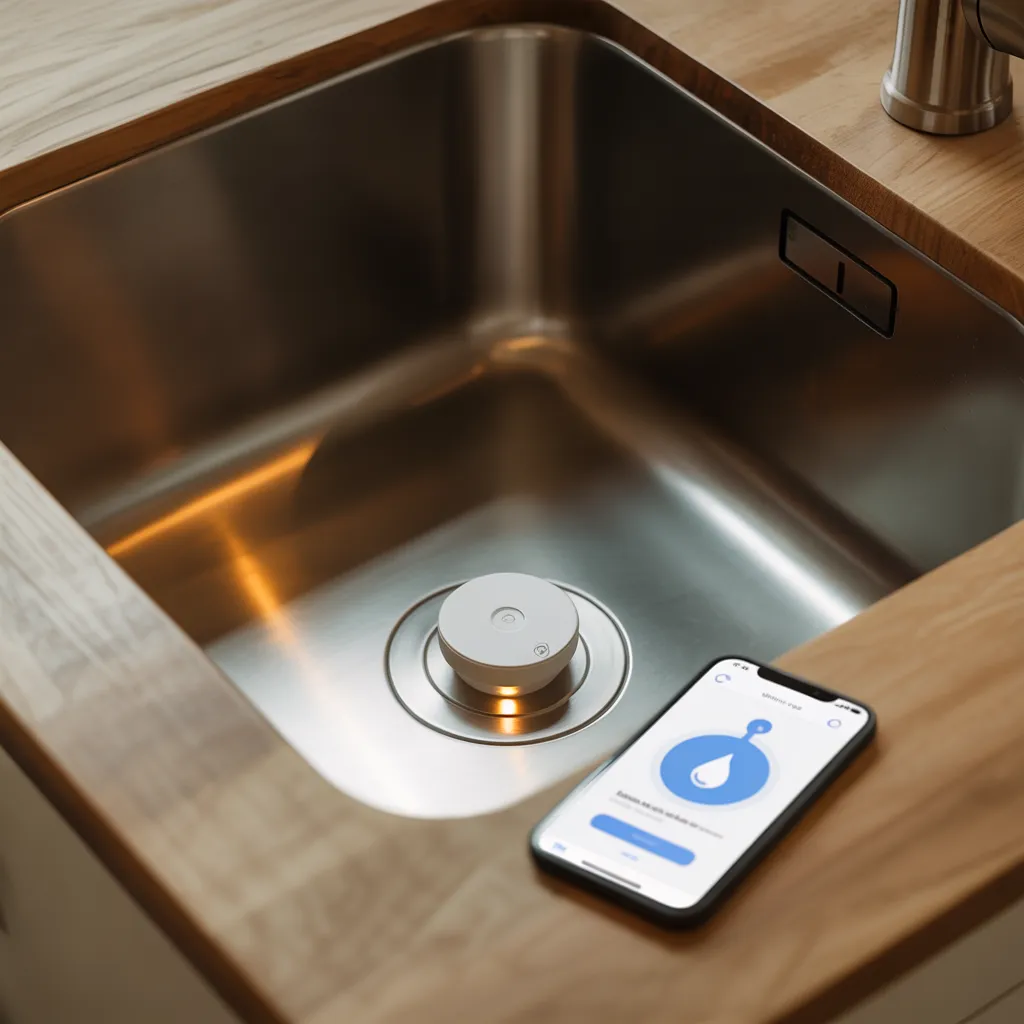
In addition, ultrasonic leak detectors can pick up on the noise of water flowing out from pipe systems. For those who prefer traditional techniques, standard dye assessments are reliable for identifying toilet leaks. Property owners should additionally look into installing smart leak detection systems that deliver live updates through mobile devices. When all is considered, being discover now aware of the specific needs of their home and the types of potential plumbing problems will direct homeowners in choosing the most appropriate leak detection tools, making sure they are ready to protect against water damage.
Applying Preventive Strategies to Avoid Water Damage
Water-resistant materials in basements, kitchens, and bathrooms can further reduce the risk of damage. Homeowners should also consider using moisture detectors, which can alert them to leaks early on. Strategic landscaping, including grading the ground away from the home, can help channel water away from the foundation. In the end, keeping indoor humidity levels in check can help prevent mold growth, which frequently results from undetected water problems. By adopting these proactive strategies, homeowners can substantially decrease the risk of costly water damage.
When Should You Call a Pro for Leak Detection?
When should homeowners consider calling a professional for leak detection? Homeowners should consider calling a professional when they notice persistent damp spots, unexplained increases in water bills, or a musty odor that lingers despite cleaning efforts. Additionally, if water stains appear on ceilings or walls, it might suggest an underlying leak that necessitates advanced diagnostic instruments. Trained specialists have the skills and tools, including thermal imaging cameras and moisture meters, to accurately pinpoint the origin of the issue.
Furthermore, if self-directed repair efforts have not yielded results, seeking professional guidance is highly advisable to minimize the risk of worsening conditions. Houses equipped with older pipe systems or that have seen recent renovation activity are also at higher risk for leaks, rendering a thorough specialist inspection particularly important. At the end of the day, early engagement of an experienced leak detection professional prevents homeowners from facing major repair bills and severe water damage in the future.
Common Questions and Answers
How Frequently Should I Inspect My Home for Leaks?
Residents should look for water leaks at least twice a year, particularly around seasonal shifts. Regular inspections help identify potential issues early, minimizing damage and repair costs connected to undetected water leaks within the premises.
Can Leaks Occur in Appliances Like Dishwashers or Refrigerators?
Yes, leaks can occur in household appliances such as refrigerators and dishwashers. With regular use, seals may wear out or hoses could develop wear, causing potential water-related issues if not routinely checked and serviced.
What Long-Term Damage Can Undetected Water Leaks Cause?
Undetected water leaks may result in serious structural damage, mold development, higher utility bills, and health issues. As time passes, these issues can worsen, resulting in costly repairs and possible loss of property value.
Are There Specific Seasons When Leaks Are More Likely?
Leaks tend to occur more frequently throughout the winter months, because dropping temperatures lead to pipes bursting, and in spring, when thawing snow combined with intense rainfall may exceed drainage capacity. Recognizing these seasonal patterns supports the implementation of preventive measures.
How Can I Determine if My Water Meter Is Detecting a Leak?
To check whether a water meter is showing a leak, one should check the meter reading before and after a period of no water usage. A change in reading suggests a possible leak in the system.